Inspirational journeys
Follow the stories of academics and their research expeditions
ARTICAINE HYDROCHLORIDE 4% AND EPINEPHRINE 1:100,000 SHOULD BE AVOIDED USING IN PATIENTS SUFFERING FROM TRIGEMINAL NEURALGIA

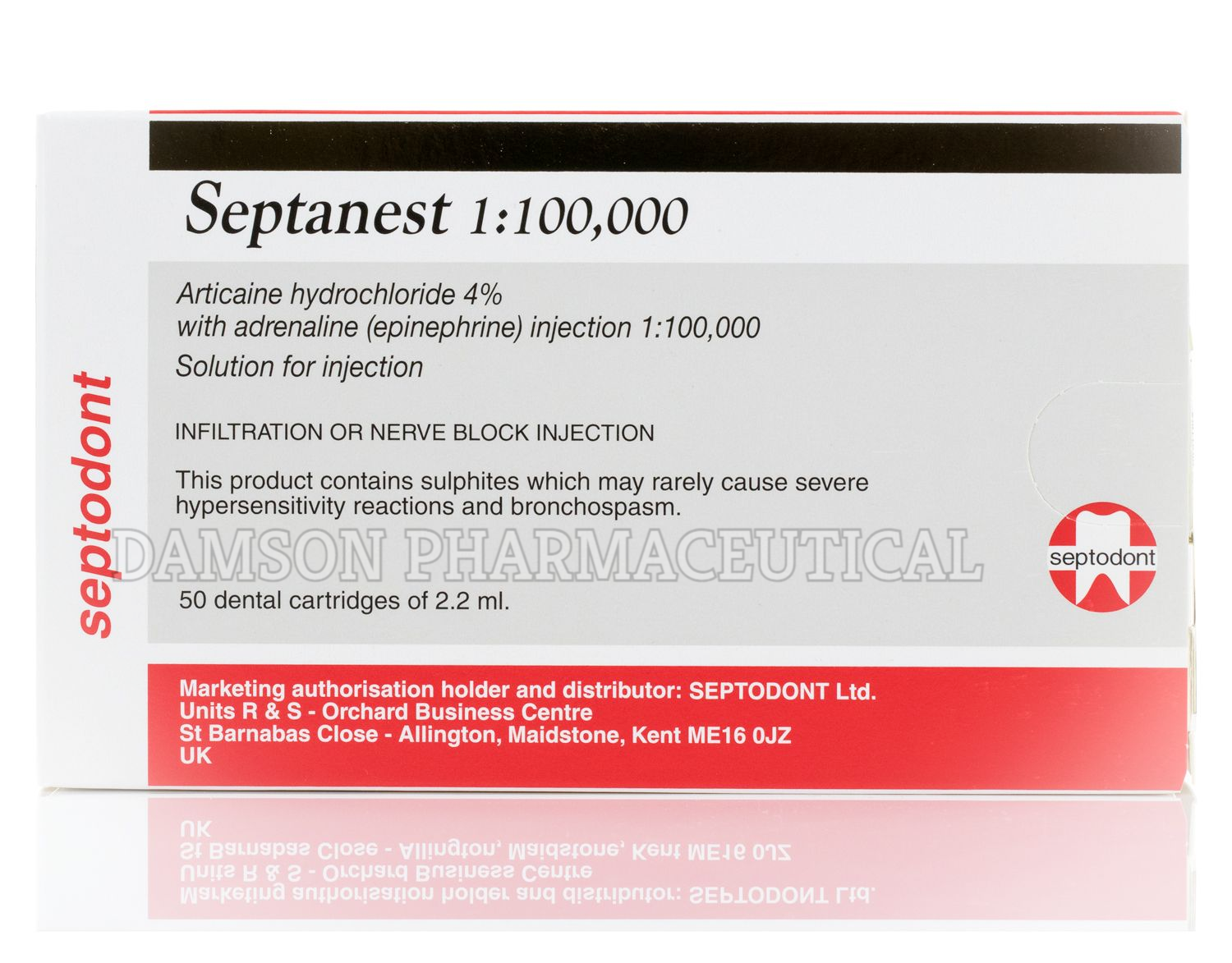
In
a clinical study of 10 patients who suffered from trigeminal neuralgia
(TN) local administration of Septocaine (block or infiltrative)
triggered the onset of the neuropathic pain in 9 patients.
Septocaine, a
hybrid of both an amide and an ester class anesthetic differs from
other local anesthetics due to its thiophene ring which allows for
greater lipid solubility. In addition, the plasma hydrolyzation of its
ester group results in the production of p-aminobenzoic acid (PABA)
metabolite linked to plasma neurotoxicity.
TN has been contributed to the
loss of myelin sheath (a lipid rich material) in neuronal axons.
Although higher lipid solubility results in faster and more profound
local anesthesia in otherwise healthy neural cells in patients with TN
onset the neuropathic pain.
It appears that as the lipid solubility of
the local anesthetic increases (in this case Septocaine) so does the
chance to trigger the Neuralgia in the nerve less where the myelin
sheath is defective.

0 Comments
Categories
Recent posts

Non-steroidal anti-inflammatory drugs (NSAIDs)
Mon, 21 Oct 2024

Hypotheses related to pathogenesis of dry socket (alveolar osteitis)
Mon, 21 Oct 2024


Leave a comment